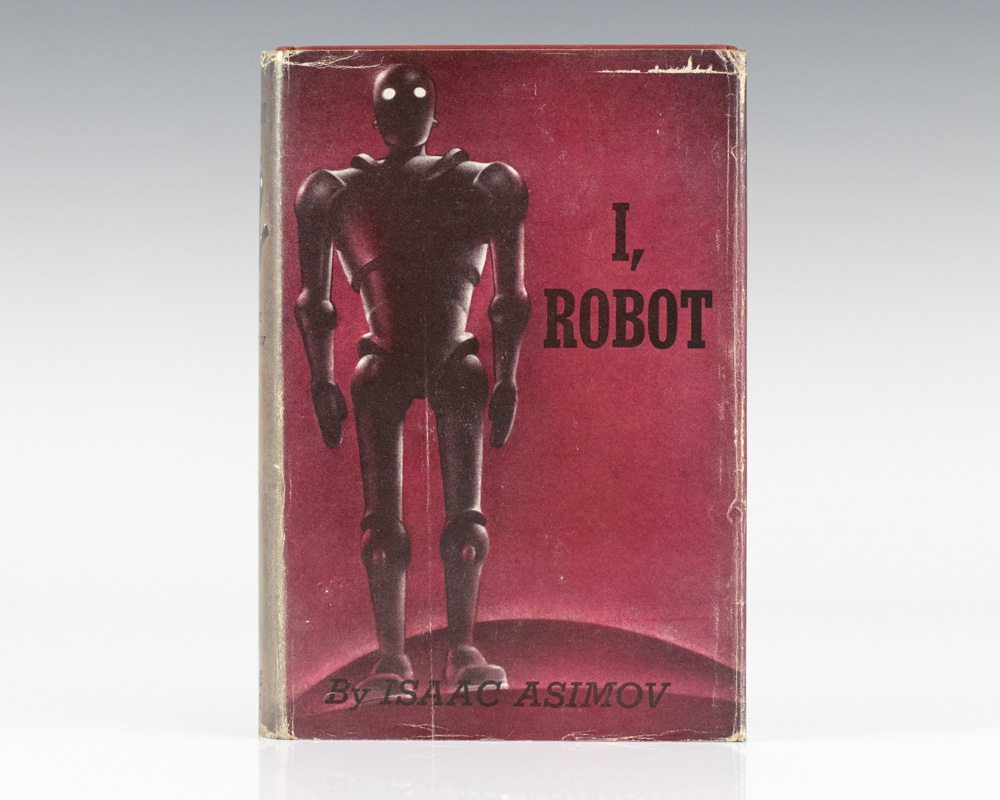
I’ve always been fascinated by these almost totemic or perhaps fetishistic edtech object-spectacles. Truly useless things that serve simply as obelisks to gaze at and wonder about possibilities. They so often have been robots. (Although none quite as creepy as this one. Sign of the times.)
I recall we had one in the GameDesk office. It danced and talked, but even a room of ultra-creative learning designers couldn’t think of a single classroom use for it. I imagine the people who purchase them for schools see in them a kind of physical metaphor of what learning could do. You place it in a room and it’s meant to open up a portal to the end of a learning journey. (If you learn enough you too could build this wondrous thing!) But they do nothing for learners, really, other than provide a fleeting moment of delight or amusement. Then everyone has to get back to it.
This all has me thinking about books. Small. Cheap. They accomplish most everything these robots and other spectacles are meant to do, or imagined to do, and more. They better showcase the possibilities of hard work and applied learning. But, more importantly, they also provide an infinite space for learning and human communion. Elegant, really, but just lacking the attention, spectacle, and venture capital.
Originally published on LinkedIn on June 24, 2026.