We need to rethink and revise AI literacy frameworks. This is something I’ve been thinking about for a while, but really cohered for me as my feed got littered with ChatGPT-generated Studio Ghibli images.
And no, I’m not talking about issues with copyright.
While copyright is worth debating, most of the AI literacy frameworks adequately address copyright and other ethical concerns like bias, academic integrity, or using AI to support rather than undermine learning and so on. This is all great and important.
I’m more interested in something mostly absent from AI literacy: let’s call it philosophy. (There’s probably a better term or way of framing.)
I’d argue a philosophical lens is inextricable from understanding AI, especially when it comes to art, like generating Ghibli-style images or writing a story.
By “philosophy” I mean asking questions like: What do I believe in? What are my values? Why use AI? Should I use AI for a task? What does it mean to me or other human beings if I use AI for a task?
This is all I can think about when I see the Ghibli images. I find them neat and novel, but ultimately unnerving and unethical. And it’s not just about filling the Internet with slop, so to speak.
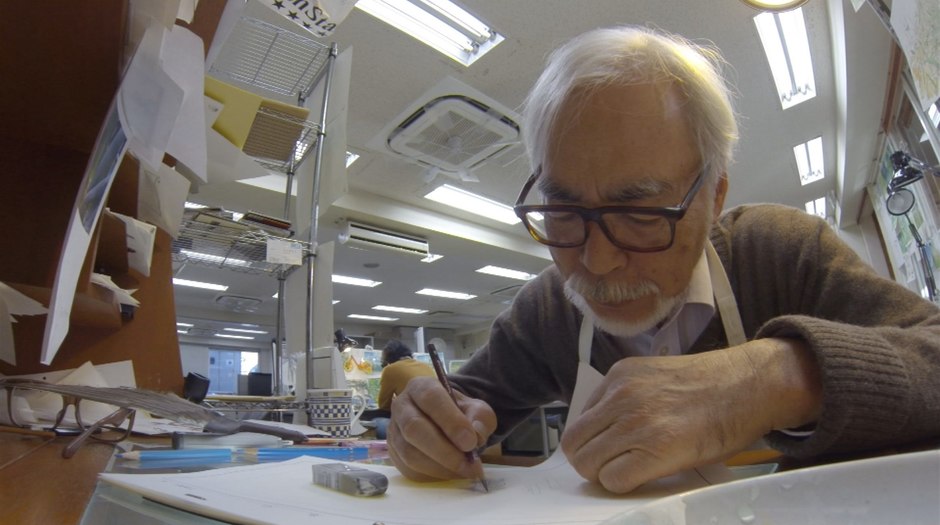
To me, the work of Hayao Miyazaki and all the craftspeople at Studio Ghibli embodies a deep commitment to human intelligence (and not just intellectual). Their work seeks meaning and creates connection through a craft grounded in empathy. The reason Ghibli movies have such resonance is because they’re the product of intensely skillful and affective human labor. They emerge from hands holding pencils working on paper, observing humans, imagining worlds, and sweating it out onto film. To understand Ghibli movies is to feel this when you watch them. They have a quirky and ineffable quality that simply isn’t present in a Pixar or DreamWorks movie.
I want learners as they explore and practice AI literacy, to think about the ethics of generating Ghibli style images – not just in terms of intellectual property but within this larger realm of art and human experience. These are the discussions that stretch students’ brains and have no clear answer.
I’m cautious about using AI for writing because, to me, writing should be an exhausting process where someone externalizes and inscribes their mind onto a medium. That’s a philosophical belief, which you can disagree with. Just like you can disagree with whether mass producing Ghibli images is ethical.
My point is if AI literacy is to have any value to education at all, it absolutely must facilitate and structure these discussions. Without them, we allow ourselves to be swept along by forces moving toward an end that is distinctly antihuman.