Gamic Race
- Organization
- University of California, Riverside
- Role
- Research and writing
- Period
- 2005–2012
Overview
My dissertation, Gamic Race: Logics of Difference in Videogame Culture, was completed in 2012 at the University of California, Riverside. It’s the result of seven years of study, a deep commitment to social justice and change, a lifelong interest in games, and a drive to dismantle race and racecraft to further solidarity among all working people.
As a white person from the suburbs of Detroit, I grew up surrounded by the casual racism that emerges out of segregated communities created by white flight. It was clear to me that game culture, spaces, and discourses echoed and reimagined these issues. My dissertation attempted to unpack this, exploring how logics of racial difference and racist systems and logics get baked into games at a foundational level. In short, with Gamic Race I wanted to show how race is central to the study of videogames and videogame cultures.
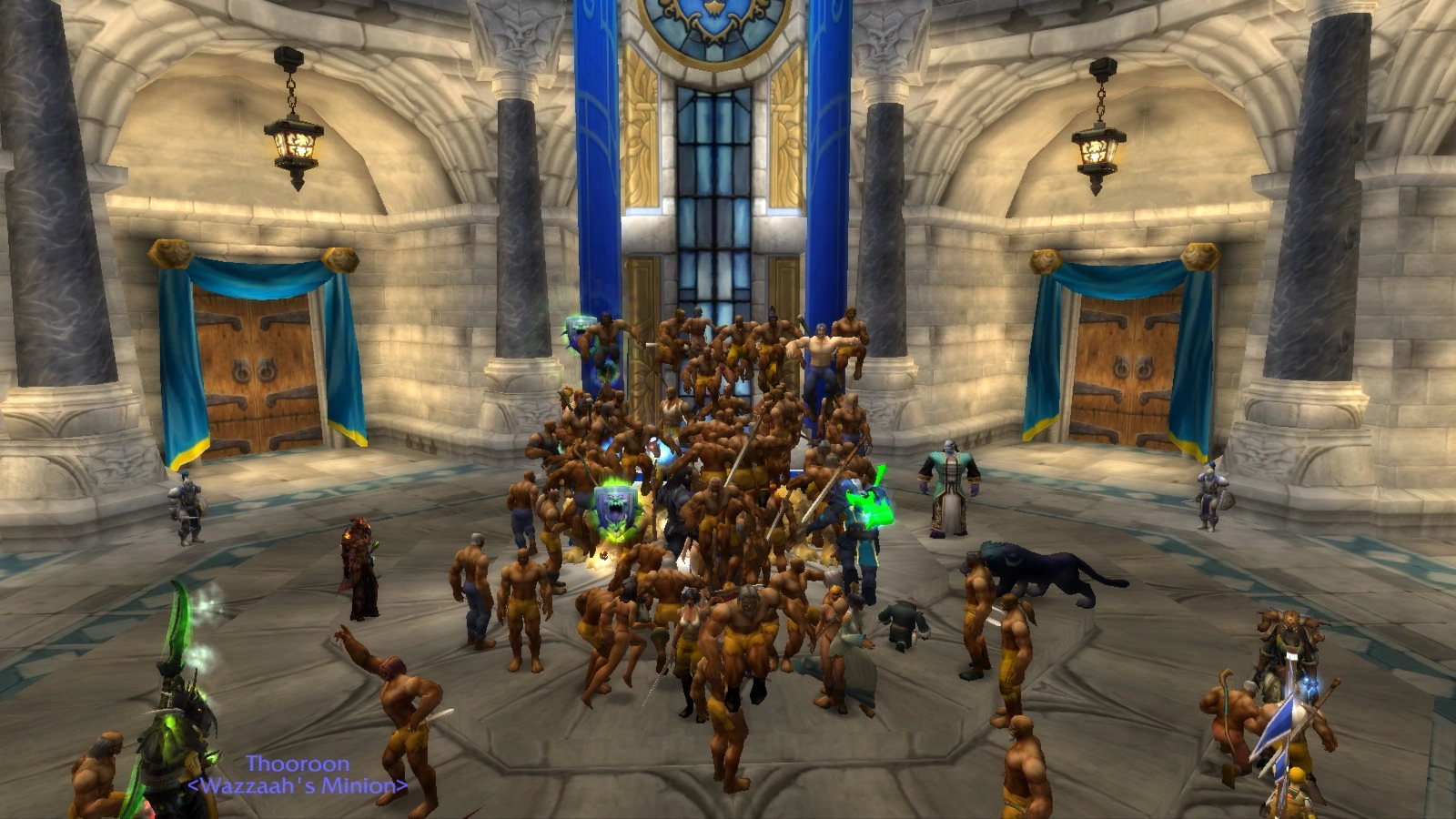
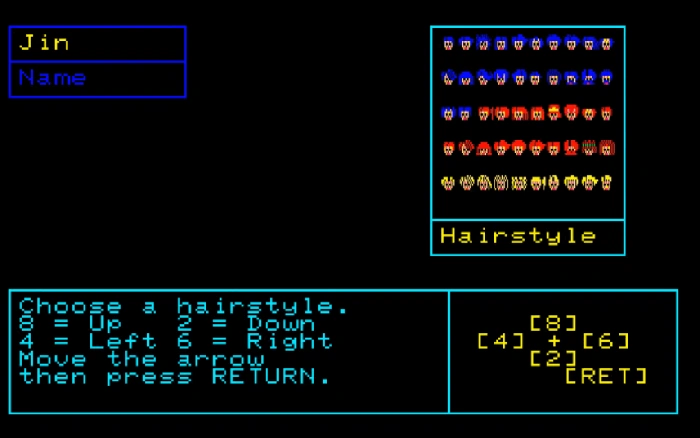
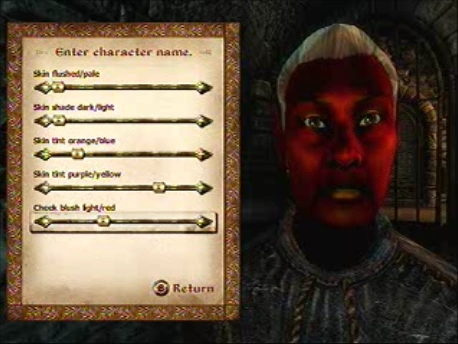
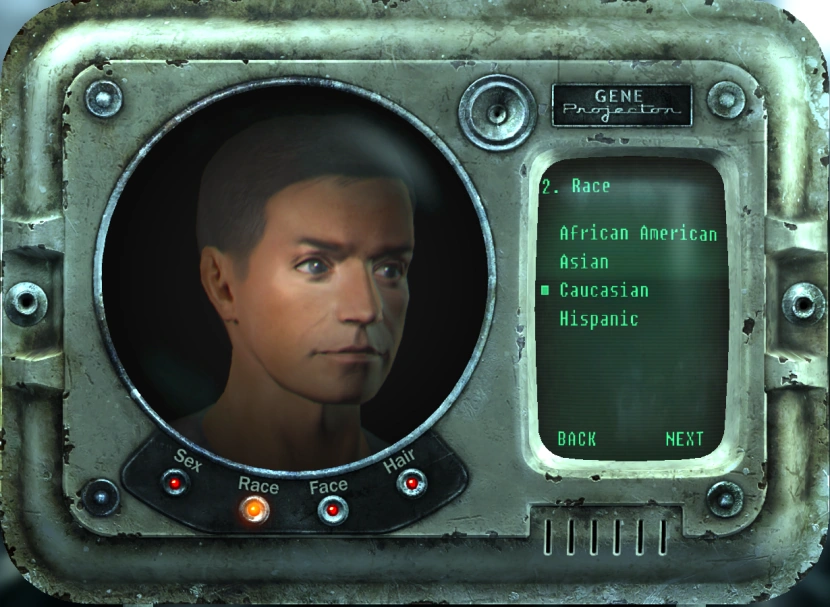
The project argues for the need for critical race theory within game studies, specifically examining how broader societal notions of race get informed and reshaped by the logics of gameplay. This is what I call gamic race. The project’s other key concept, displaced racialization, pushes past the predominant focus in game studies on racial representation and diversity, examining how racialization extends beyond physical presentation to game code and player experience/expression.


1 of 5
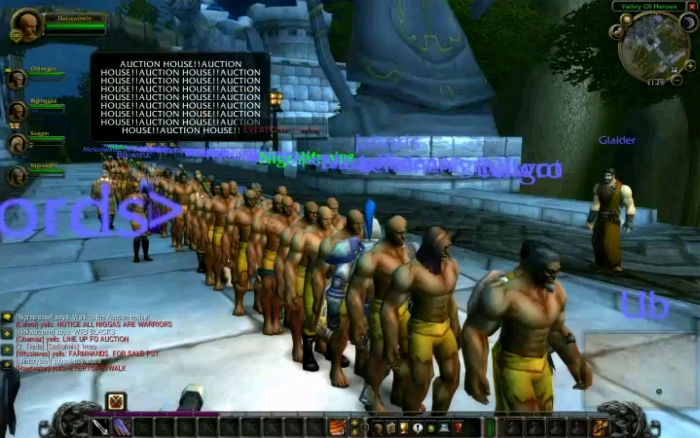
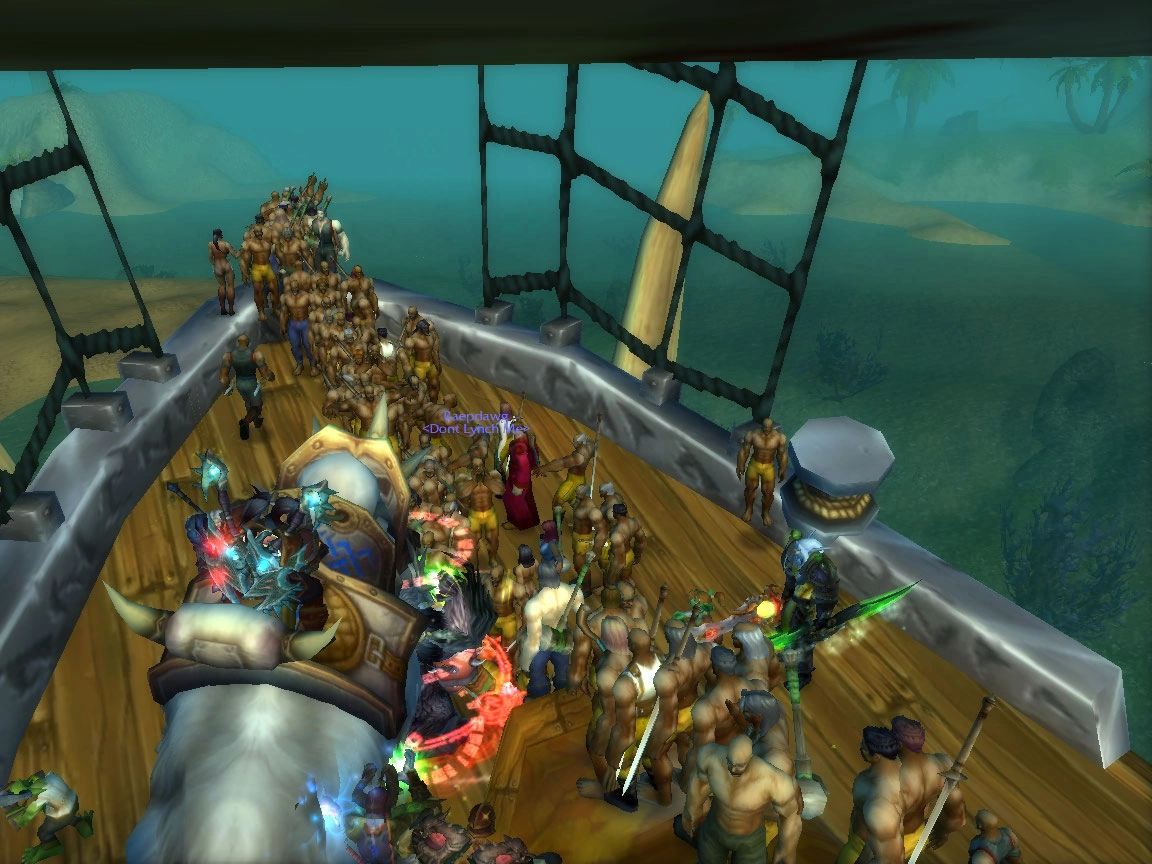
The first three chapters of Gamic Race explore different layers of gamic race and its formulation through displaced racialization: spatial, technologic, and discursive. The final chapter attempts to put theory into practice via an analysis of racially inflammatory raids of virtual worlds by users of the message board 4chan. These raids serve as a compelling but flawed model for future progressive performative interventions in gamespace. The conclusion considers how to progressively transform videogame design by placing African American expressive traditions, indie games, ethics, philosophy, and the interaction design of Erik Loyer in conversation. It’s within this nexus that the project ends, gesturing toward a future paradigm of interaction and aesthetics within videogames that positions difference as solidarity and does not solely rely on visual inclusion and representation.






1 of 8
Impact
I was fortunate to have this work supported by ten competitive scholarships and grants, including the prestigious University of California Humanities Research Institute and Dissertation Year Fellowship programs. I was also invited to present my research at Centenary College, Dartmouth College, Facing History, Georgia State University, the University of California, San Diego, University of Michigan, and the University of Washington Tacoma.